

Gentle Scar Therapy - 30 Min Gallery
$$MultiPurposeText$$
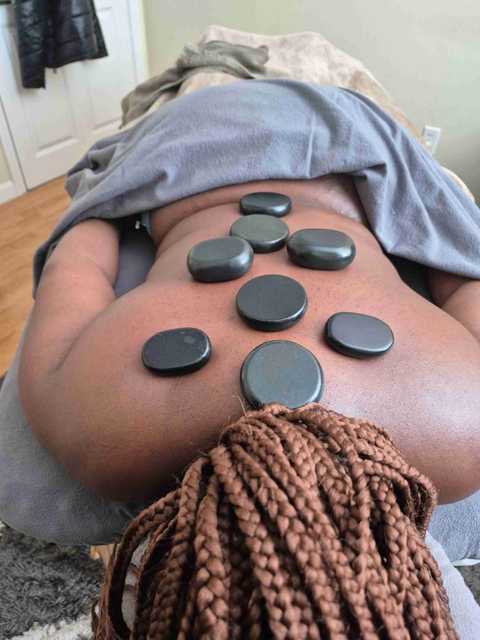
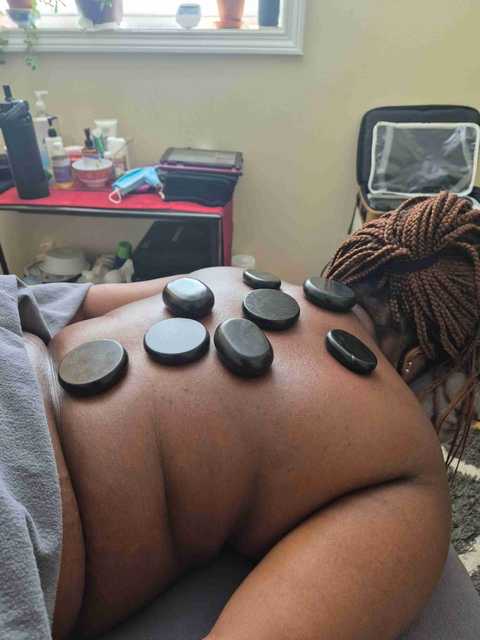
See examples of our Gentle Scar Therapy - 30 Min work and results.











What Our Clients Say
$$MultiPurposeText$$
Read testimonials from our satisfied customers

Debbie is so amazing, I thoroughly enjoyed the massage. She asked questions about my pain,...more

This was a wonderful experience. Deb was thorough and helpful in explaining how lymph node...more

Deb is very good at what she does. She is patient, knowledgeable and very considerate.

Wonderful prenatal massage experience. Thank you, Debbie!

Great spot, will be back!

I really appreciated Debbie’s calm and relaxing demeanor. She explained everything she pla...more

Frequently Asked Questions
Get answers to common questions about Gentle Scar Therapy - 30 Min.
Most clients begin once the incision has closed and sutures are removed—usually two to eight weeks post-op. Always get your surgeon's clearance first. Early gentle work can prevent adhesions while avoiding open wounds, infection, or unstable scars.
No, it won't erase scars completely. Therapy softens tissue, reduces tightness, and can improve appearance and comfort significantly. Results vary by scar age, type, and individual healing; multiple treatments and consistent home care improve outcomes.
Therapy is gentle and focused—most clients feel pressure, warmth, or mild discomfort rather than pain. We adjust intensity to your comfort; if you experience sharp pain, tell your therapist immediately so we can modify technique.
Depends on scar characteristics and goals. Many clients see improvement after three to six sessions, while older or complex scars may require more. Your therapist will assess progress and recommend a tailored schedule, including home exercises for best results.
Risks are minimal when performed correctly: temporary tenderness, redness, or mild bruising. Therapy is avoided on open wounds, infected scars, or when medical clearance is lacking. Your therapist screens your history and adapts techniques to reduce risks.
Wear loose, comfortable clothing that allows easy access to the scar area, or the therapist will provide draping and a gown. Avoid applying lotions or oils before your appointment unless specifically instructed otherwise.