

Deep Tissue Massage - 60 Min Gallery
$$MultiPurposeText$$
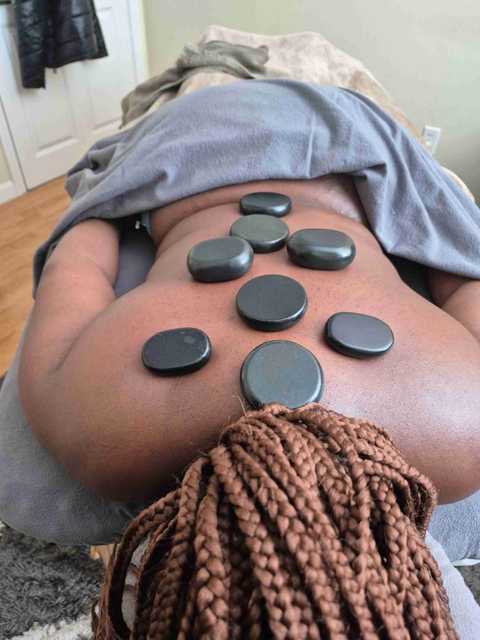
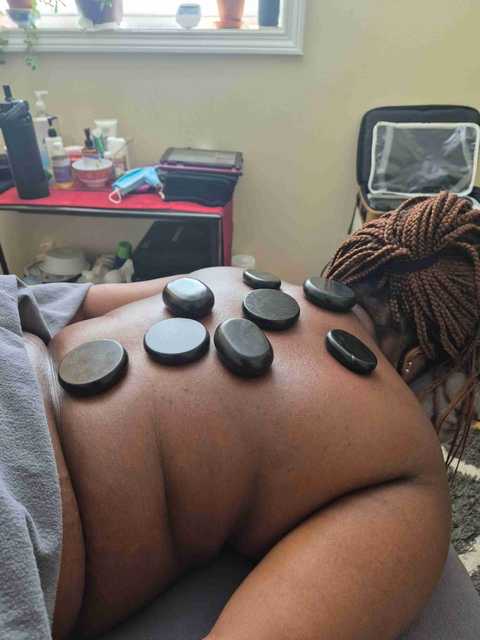
See examples of our Deep Tissue Massage - 60 Min work and results.























What Our Clients Say
$$MultiPurposeText$$
Read testimonials from our satisfied customers

Celeb massage was great! Very professional, deep tissue massage was amazing, thorough and ...more

...more
Frequently Asked Questions
Get answers to common questions about Deep Tissue Massage - 60 Min.
Some discomfort can occur when therapists work on tight areas, but pressure is adjusted to your tolerance. Communicate with your therapist throughout; they can modify techniques to minimize pain while still effectively releasing deep muscle and connective tissue tension.
Arrive hydrated, avoid heavy meals beforehand, and wear comfortable clothing. Share medical history, injuries, or areas of concern with your therapist so they can tailor pressure and techniques for safe, effective treatment during the sixty-minute session.
Many clients notice improved mobility and reduced pain immediately, though soreness can appear for 24 to 72 hours. Benefits continue as inflammation decreases and tissue heals; regular sessions often produce more lasting improvement.
Yes. Avoid deep tissue massage if you have recent fractures, open wounds, active infections, uncontrolled hypertension, blood clotting disorders, or certain skin conditions. Always disclose medications and health issues so the therapist can recommend suitable alternatives or adjustments.
Frequency depends on your goals and condition. For acute pain, weekly sessions may be best initially. For maintenance or stress relief, every three to six weeks is common. Your therapist will assess progress and recommend a tailored plan for optimal results.
Yes. Deep tissue techniques break down scar tissue, improve circulation, and relieve muscle tightness that limits athletic performance. Combined with rehabilitation and proper rest, it can speed recovery and reduce re-injury risk when integrated into a sports medicine plan.
Read more about Deep Tissue Massage - 60 Min
$$MultiPurposeText$$
Explore our latest insights and guides on Deep Tissue Massage - 60 Min.

Deep Tissue Massage - 60 Min vs Swedish: Best for Chronic Tension
Published On: June 29, 2026
